Team experiences in London that people actually want to do
Ideas for team experiences that fit into the working day, from workshops and massage to outings and gifts, plus what to check before booking.




There's a particular sort of request that lands on an office manager's desk: "Can you organise something fun for the team?"
No date, no budget and nobody's quite sure what "fun" is supposed to mean. Someone wants an escape room, someone else wants drinks and half the team only come into the office on Wednesdays.
We've spent years at Clara helping offices organise this stuff. One thing I've learnt is that the best events aren't necessarily the most elaborate. They're the ones people actually turn up to, enjoy and don't need three weeks of emails to organise.
So here are some ideas worth considering, whether you're looking for something to fill a lunch break or planning a proper day out.
First, a word on team building
I think team building has a bit of an image problem.
We've all heard about the organised fun that nobody particularly wanted to attend. The compulsory drinks, the awkward icebreakers or the activity that somehow manages to feel more like work than work itself.
There's also the question of when to do it. Asking people to give up an evening isn't always reasonable, particularly when they've got children to collect, long commutes or other things they'd rather be doing.
That's why I'm a fan of experiences that fit into the working day. Something people can enjoy for an hour or two without having to reorganise their lives around it.
And not everything needs to be about building a stronger team. Sometimes it's perfectly fine to organise something just because it's enjoyable.
Six types of team experiences worth considering
1. Team workshops
One of the easiest ways to get people talking is to give them something to do with their hands.
Terrarium making, pottery painting, floristry, candle making and LEGO workshops are all good examples. There's a shared activity, people can chat as much or as little as they like and everyone gets something to take home.
They're also fairly straightforward to organise. Most suppliers will bring the materials, set everything up and run the session in your office. A meeting room with some decent tables is usually enough, although I'd check how much mess the activity involves before booking the boardroom.
For smaller groups of around 10 to 30 people, this is often where I'd start.
2. Food and drink experiences
Food is usually a pretty safe bet. Most people enjoy it and there's an enormous range of things you can do beyond ordering a few pizzas.
Pasta making, chocolate workshops, cocktail masterclasses, whisky tastings and even guided food tastings can all work well in an office.

The nice thing about these is that you can make as much or as little of them as you like. A chocolate tasting can fit into a lunch break, while a pasta workshop can become a whole afternoon.
If alcohol is involved, I'd make sure there's a proper alcohol free option too. Not just a glass of orange juice while everyone else gets something interesting.
They're particularly good for client entertaining, Friday afternoons or celebrating the end of a big project.
Explore food and drink experiences
3. Wellbeing days and classes
Not everyone wants to spend their lunch break making a candle. Some people would much rather have a massage.
Office massage is one of those things that works particularly well because it asks very little of the person taking part. They turn up for 15 minutes, have a treatment and go back to their day.
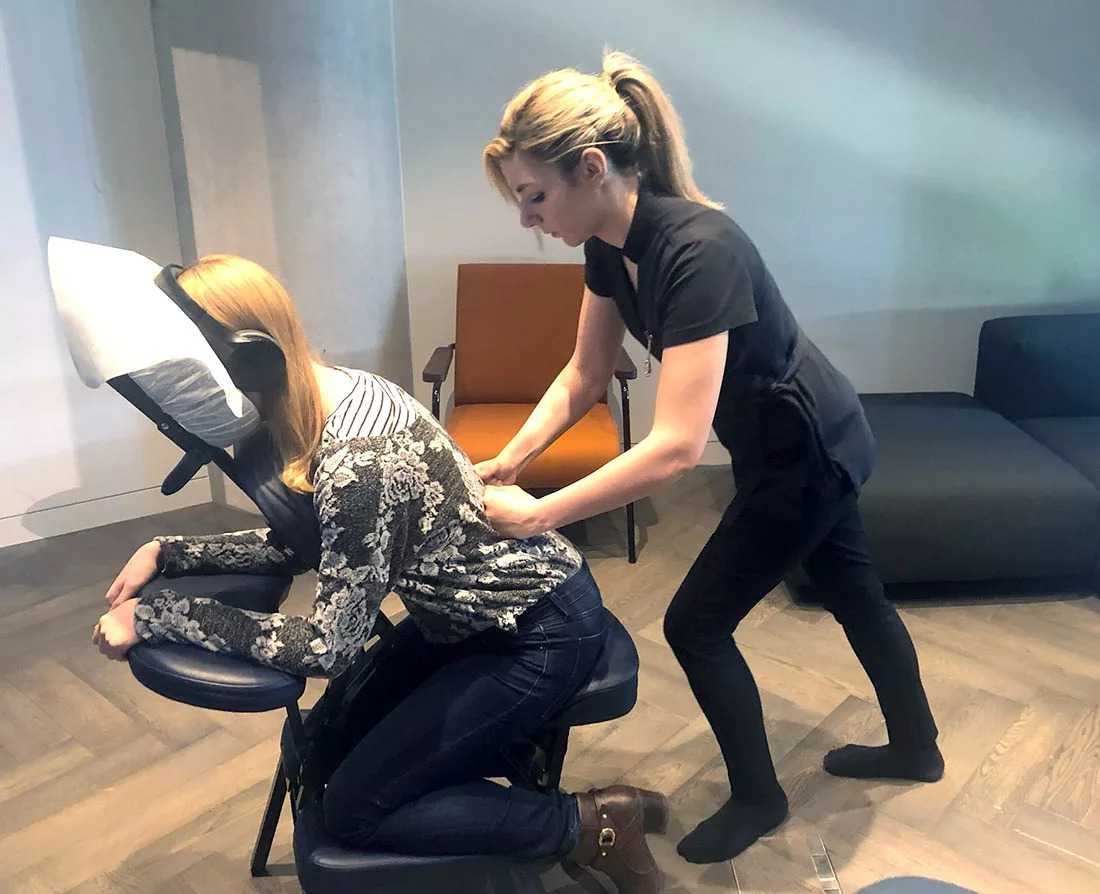
Yoga, pilates, breathwork and sound baths are other options, although they need a bit more thought around space and who will actually want to take part.
One thing I'd always check is capacity. If you've got 80 people in the office and one massage therapist, you're not going to get very far. Short appointment slots, a sign up sheet and a couple of therapists can make the whole thing much easier.
These are particularly useful during busy periods when people could do with a break rather than another organised activity.
Explore wellbeing days and classes
4. Talks and training
A good lunch and learn can be genuinely useful. A bad one is just another meeting with a different person doing the talking.
We've got suppliers covering everything from mental health and stress to menopause, personal finance and neurodiversity. There are also more formal training sessions, including Mental Health First Aid.

I think the trick is to choose something people have a genuine interest in, rather than booking a talk simply because there's an awareness day coming up.
They're also one of the easier formats for hybrid teams. People can join online, you don't need to book a venue and you can usually fit everything into an hour.
It's worth thinking about whether you want a proper training session or something lighter and more conversational. They're quite different things.
Explore wellbeing talks and training
5. Games, entertainment and office pop ups
Sometimes you just want to make the office a bit more interesting for an afternoon.
We've got everything from hosted game shows and magicians to puppy parties, photo booths and smoothie bikes.

These are particularly good when you've got a larger office and don't want to make everybody do the same thing at the same time.
A drop in activity means people can take part when they've got a spare ten minutes. It's a nice alternative to blocking out everyone's calendar for an afternoon.
Just think about the practicalities. How much space does the supplier need? Will there be queues? Is it going to be noisy? And if you're bringing animals into the office, check allergies and make sure there's a suitable space.
These formats are great for office celebrations, summer parties or getting people from different teams together.
Explore games, entertainment and pop ups
6. Team outings and away days
There's still a place for getting everyone out of the office.
Escape rooms, social darts, treasure hunts, sports days and volunteering are all popular options. They tend to feel like more of an occasion than something squeezed between meetings.
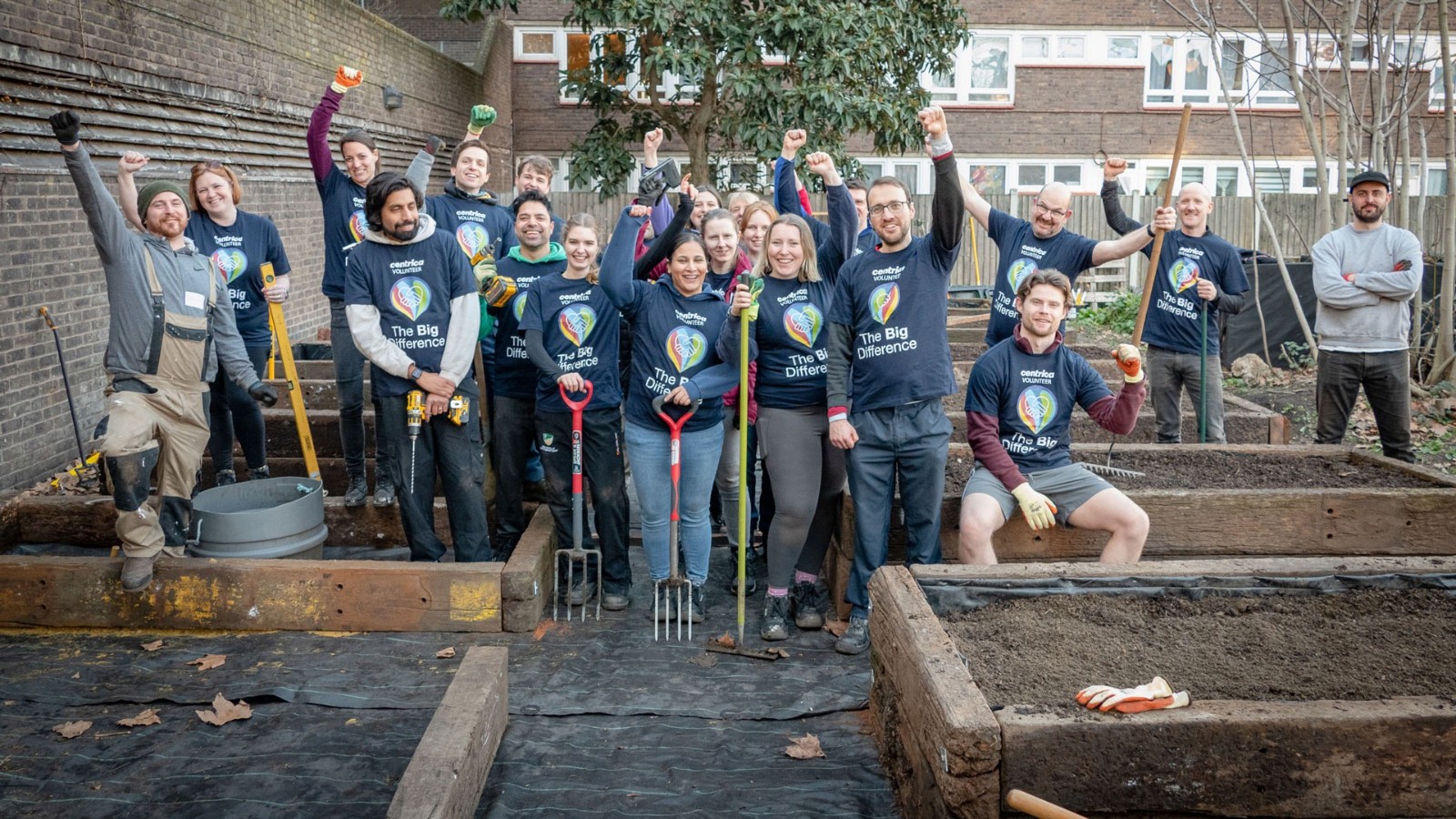
They're also where the organisation can get a bit more complicated.
You've got travel, timings, accessibility, dietary requirements, cancellations and the inevitable person who turns up half an hour late. Add 50 people and a restaurant booking afterwards and suddenly you've got quite a lot to manage.
My advice would be to think about where people are travelling from before picking the venue. London might have endless options, but asking someone to cross the city twice for a two hour activity isn't particularly appealing.
For volunteering days, especially in spring and summer, book well ahead. The good opportunities can disappear surprisingly quickly.
Explore team outings and away days
And sometimes, an event isn't the answer
If your team is spread around the country or everyone's particularly busy, trying to get people together might be more trouble than it's worth.
A thoughtful gift can do the job instead.
We work with suppliers offering everything from hand iced biscuits and food hampers to flowers, new starter gifts and products made by social enterprises.

It's a good option for saying thank you, celebrating a milestone or making sure remote colleagues aren't forgotten.
Explore team gifts and rewards
A few things I'd think about before booking
There's no shortage of things you can do with a team in London. The harder bit is working out which one is actually right for your office.
A few things are worth checking before you get carried away:
- Who are you organising it for? Twenty people who know each other well is quite different from 100 people across five departments.
- How much time have you really got? A brilliant three hour workshop is no use if everyone's calendars are packed.
- Can everyone take part? Think about accessibility, dietary requirements, different working patterns and whether the activity puts anyone on the spot.
- What's included in the price? Materials, travel, set up, clearing away and VAT can make quite a difference to the final number.
- Do you actually need to leave the office? Bringing the experience to you can save a surprising amount of hassle.
And don't assume spending more automatically makes something better. I've seen very simple ideas work well because they were right for the people involved.
Don't feel you have to organise something every month
The office calendar can get a bit ridiculous if you let it.
January wellbeing activities, International Women's Day, Stress Awareness Month, Mental Health Awareness Week, Pride, summer socials, Halloween and Christmas. And that's before anyone's birthday or the company's anniversary.
You could quite easily spend your entire year organising activities.
I'd pick a handful of moments that actually matter to your team and do those properly. Mix bigger events with smaller things that people can dip in and out of.
It also makes budgeting much easier. You can plan ahead, avoid the last minute scramble and give people something to look forward to.
Need a hand organising something?
That's essentially what we do at Clara.
We help offices find, book and pay for suppliers, services and events, including everything mentioned here.
If you've got a date, a rough headcount and an idea of what you'd like to spend, send it over. We'll put together some options, help you choose and sort the booking and admin.
There's no extra charge to use Clara. Suppliers pay us a commission when you book through the marketplace.
Or, if you'd rather have a look yourself, we've got plenty of ideas to browse.


Subscribe to our email newsletter today!